
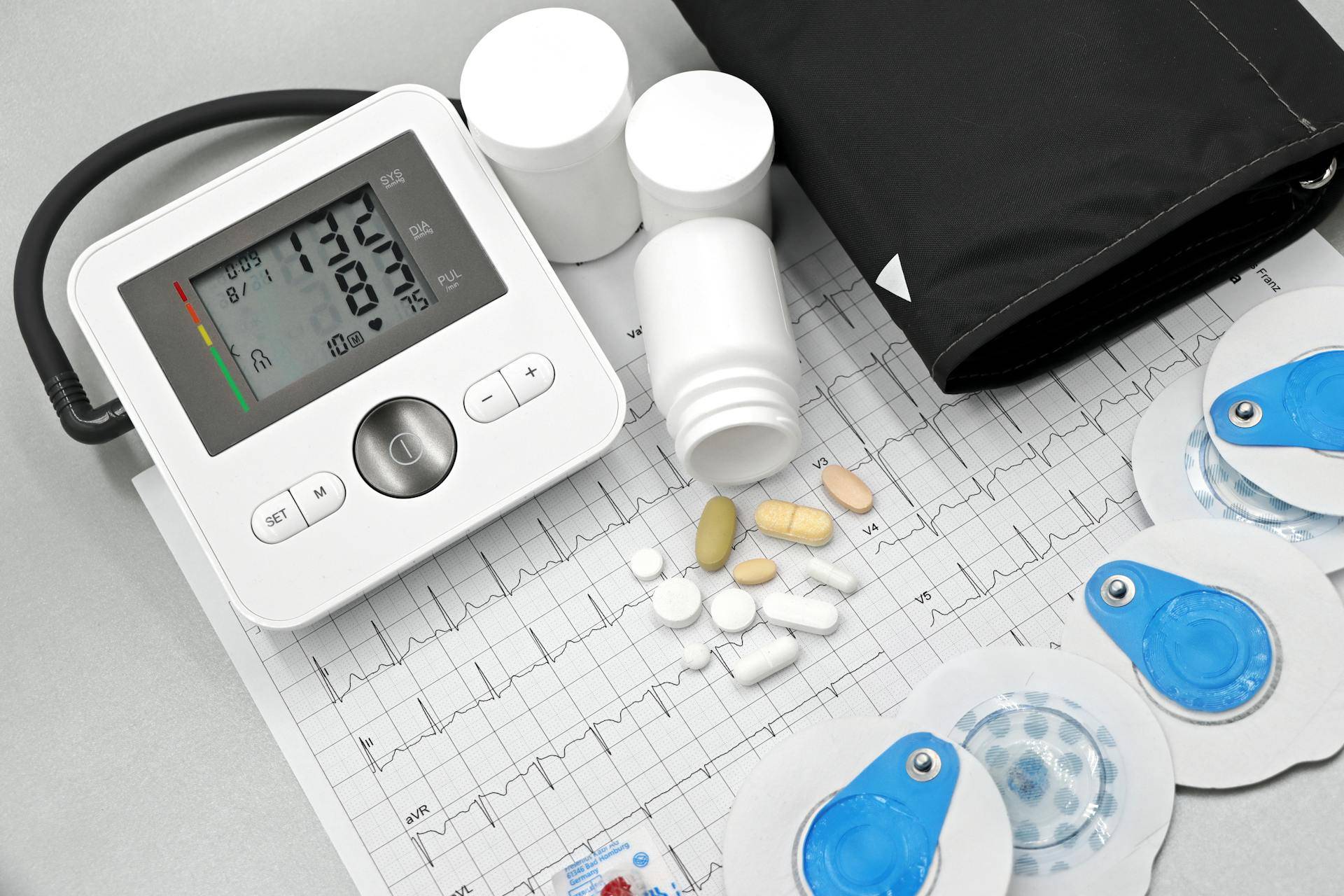
High blood pressure is not something you need to feel powerless against. With the right daily habits, smart lifestyle choices, and consistent monitoring, you can take back control and dramatically lower your long-term risks.
In this guide, we’ll break down the most effective, science-backed strategies to control high blood pressure—from improving your diet, managing stress, and staying active, to understanding medications and using home monitors the right way. Whether you’re newly diagnosed or simply trying to prevent your numbers from rising, this step-by-step approach will help you build a healthier, more stable blood pressure routine—starting today.
1. Understanding High Blood Pressure and Why Control Matters
High blood pressure (hypertension) is a condition in which the force of blood pushing against artery walls consistently remains too high. Over time, this excessive pressure damages blood vessels and vital organs, leading to serious complications such as heart disease, stroke, kidney failure, and vision problems. Controlling blood pressure is essential because hypertension often develops silently—without symptoms—until significant harm has already occurred. By learning how to manage it early, individuals can protect long-term health, prevent life-threatening complications, and significantly improve daily energy and well-being.
2. Lifestyle Modifications for Effective Blood Pressure Control
Lifestyle changes are the foundation of hypertension management. These modifications help lower blood pressure naturally and improve overall cardiovascular health. Key adjustments include maintaining a balanced diet, restricting sodium intake, engaging in regular physical activity, achieving a healthy weight, moderating alcohol consumption, quitting smoking, and implementing stress-reduction practices. These efforts not only lower blood pressure but also reduce the need for medication and support long-term heart health.
3. Heart-Healthy Eating Habits (DASH Diet, Salt Reduction, & Potassium-Rich Foods)
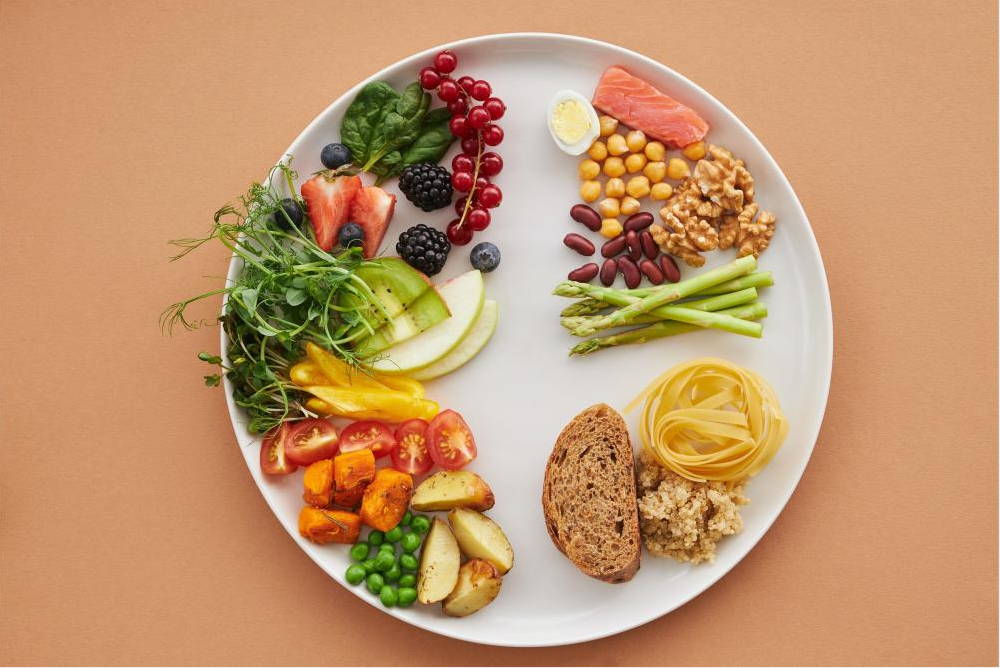
A heart-friendly diet is one of the most effective ways to control hypertension. The DASH (Dietary Approaches to Stop Hypertension) diet emphasizes whole grains, fruits, vegetables, lean proteins, and low-fat dairy while limiting red meat, sugar, and saturated fats. Reducing sodium intake helps prevent fluid retention and lowers pressure on the blood vessel walls. Increasing potassium sources—such as bananas, spinach, and sweet potatoes—helps balance sodium levels and relax blood vessels. Together, these dietary strategies create a powerful, natural approach to blood pressure control.
4. Physical Activity: How Regular Exercise Helps Lower Blood Pressure
Exercise strengthens the heart, enabling it to pump blood more efficiently with less effort. This reduces the force on arteries and lowers blood pressure. Aerobic activities like brisk walking, swimming, cycling, and dancing can reduce systolic blood pressure by 5–8 mmHg when performed consistently. Strength training also supports a healthier cardiovascular system. Incorporating 150 minutes of moderate exercise per week helps maintain healthy blood pressure and overall vitality.
5. Weight Management and Its Impact on Hypertension
Excess body weight—especially around the abdomen—puts additional strain on the heart and contributes to higher blood pressure. Even modest weight loss (5–10% of body weight) can significantly reduce hypertension and improve cholesterol and blood sugar levels. Maintaining a healthy weight through balanced nutrition and regular activity is one of the most reliable long-term strategies for stable blood pressure control.
6.Stress Management Techniques for Healthier Blood Pressure
Chronic stress triggers the release of hormones such as cortisol and adrenaline, which temporarily raise blood pressure and increase heart rate. Over time, unmanaged stress can contribute to long-term hypertension. Effective techniques include deep breathing exercises, meditation, yoga, mindfulness practices, journaling, and ensuring adequate sleep. Managing stress not only improves blood pressure but also enhances mental clarity and emotional well-being.
7. Medication: When Lifestyle Isn’t Enough
For many individuals, lifestyle changes alone are not sufficient to fully control hypertension. In these cases, healthcare providers prescribe medication such as diuretics, ACE inhibitors, ARBs, beta-blockers, or calcium channel blockers. These medicines work by relaxing blood vessels, reducing fluid levels, or helping the heart beat more efficiently. It’s important to take medications exactly as prescribed and communicate regularly with your doctor to ensure optimal blood pressure control.
8. Monitoring Your Blood Pressure at Home
Home monitoring is crucial because blood pressure fluctuates throughout the day and can be influenced by stress, activity, or diet. Regular tracking helps you understand personal patterns, detect changes early, and evaluate whether lifestyle or medications are working. A reliable home blood pressure monitor enables accurate readings, helps avoid “white coat syndrome,” and empowers individuals to take control of their cardiovascular health. Recording daily measurements provides valuable data for doctor consultations and long-term health planning.
9. When to Seek Medical Help
Certain blood pressure readings and symptoms indicate the need for professional evaluation. A consistent reading above 140/90 mmHg (or 130/80 mmHg for those with chronic conditions) warrants medical guidance. Emergency symptoms—such as chest pain, severe headache, difficulty breathing, or confusion—may signal hypertensive crisis and require immediate medical attention. Knowing when to seek help ensures timely treatment and reduces the risk of serious complications.
Conclusion
Controlling high blood pressure is not about making dramatic, overwhelming changes—it’s about taking consistent, manageable steps that strengthen your heart, protect your blood vessels, and improve your overall well-being. By maintaining a balanced diet, reducing sodium intake, staying physically active, managing stress, limiting alcohol, quitting smoking, and monitoring your blood pressure regularly, you can take back control of your health. Remember, hypertension may be common, but it is far from inevitable. With the right habits, awareness, and tools, you have the power to prevent complications and support a healthier future. Start small, stay committed, and your heart will thank you for years to come.
WRITTEN BY CHECKME
Related Blogs


Recommended Products
Subscribe for special promotions,
healthy knowledge, and more!