High blood pressure, also known as hypertension, is often called the “silent killer”—and for good reason. Millions of people live with elevated blood pressure for years without realizing it, because the condition frequently develops with few or no obvious warning signs. Yet beneath the surface, uncontrolled high blood pressure can quietly damage the heart, brain, kidneys, and blood vessels, increasing the risk of serious complications such as heart attack, stroke, and kidney disease.
While many people with hypertension feel completely normal, certain physical and neurological symptoms may appear as blood pressure rises or remains uncontrolled over time. These symptoms can range from subtle issues like headaches, dizziness, and fatigue to more concerning signs such as chest pain, shortness of breath, vision problems, or irregular heartbeat. Recognizing these warning signals early is critical, as timely intervention can significantly reduce long-term health risks.
In this article, we will explore the top 10 most common symptoms associated with high blood pressure, explain why they occur, and discuss when they may indicate a need for medical attention. Whether you are monitoring your own health or caring for a loved one, understanding these symptoms can help you take proactive steps toward better blood pressure control and overall cardiovascular health.
Why High Blood Pressure Is Called the “Silent Killer”
Most people with high blood pressure experience no symptoms at all, especially in the early stages. This lack of warning signs allows the condition to progress unnoticed, increasing the risk of heart attack, stroke, kidney failure, and vision loss. Symptoms usually appear only when blood pressure becomes severe or complications develop.
1. Headaches
Severe or persistent headaches—especially in the morning—may occur when blood pressure rises to dangerously high levels. These headaches are often described as throbbing and may be accompanied by nausea or confusion. However, mild hypertension usually does not cause headaches.
2. Dizziness or Lightheadedness
Sudden dizziness or a feeling of imbalance can result from reduced blood flow to the brain. This symptom may signal very high blood pressure or a hypertensive crisis and should never be ignored.
3. Blurred or Double Vision
High blood pressure can damage the delicate blood vessels in the eyes, leading to a condition known as hypertensive retinopathy. This can cause blurred vision, double vision, or even permanent vision loss if left untreated.
4. Chest Pain
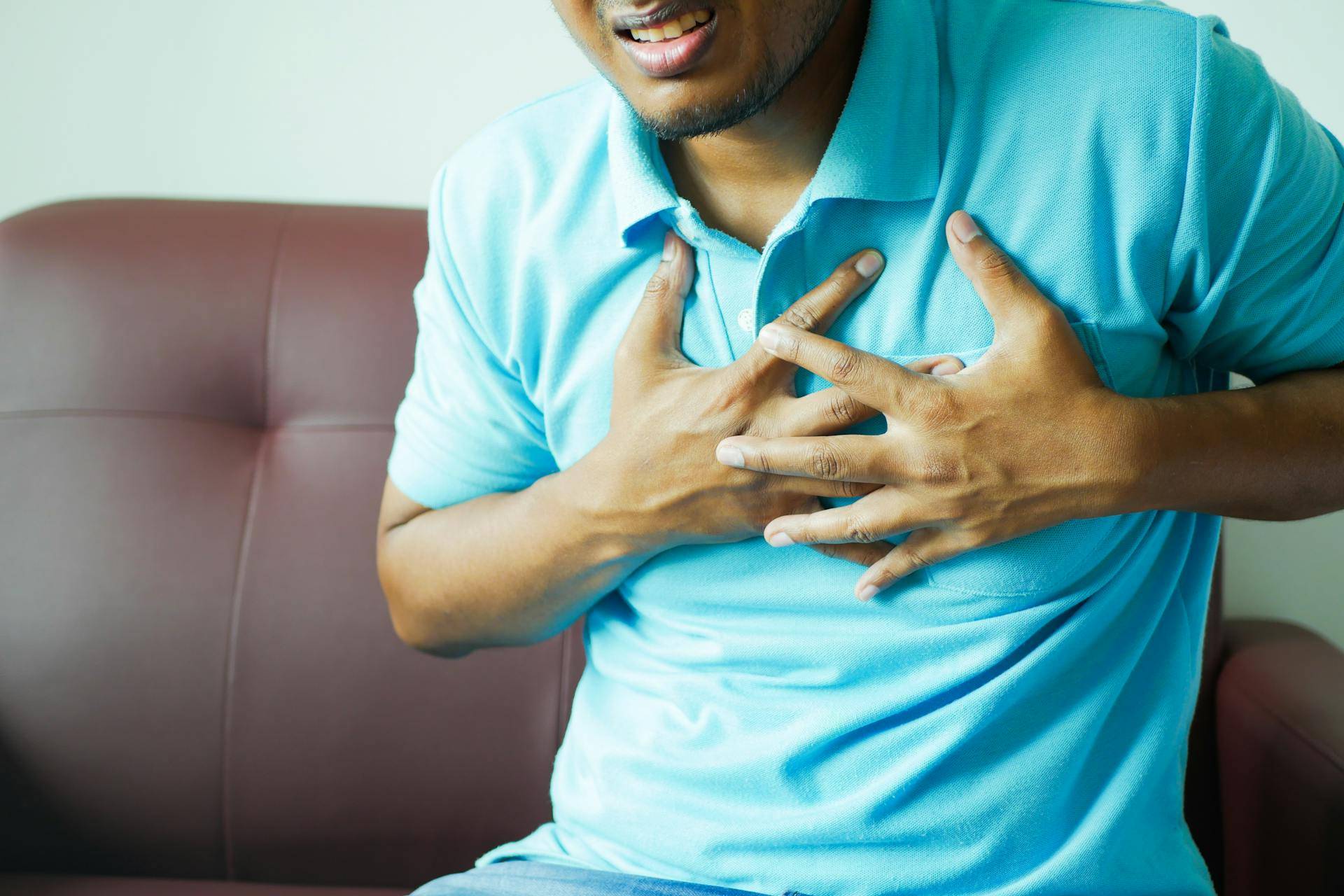
Chest pain may indicate that high blood pressure has placed excessive strain on the heart, potentially leading to coronary artery disease or a heart attack. Any chest pain should be treated as a medical emergency.
5. Shortness of Breath
Difficulty breathing can occur when high blood pressure leads to heart failure or fluid buildup in the lungs. This symptom often appears during physical activity or while lying down and requires prompt medical attention.
6.Nosebleeds
Although nosebleeds are not a common symptom of hypertension, they may occur in cases of severely elevated blood pressure. Frequent or unexplained nosebleeds should prompt a blood pressure check.
7. Fatigue or Confusion
High blood pressure can reduce blood flow to the brain, leading to fatigue, difficulty concentrating, or confusion. These symptoms may worsen as blood pressure remains uncontrolled over time.
8. Irregular Heartbeat (Palpitations)
Some people with high blood pressure experience heart palpitations or an irregular heartbeat. This may be due to increased workload on the heart or associated heart rhythm disorders.
9. Blood in Urine
Hypertension can damage the kidneys’ filtering system, causing blood or protein to leak into the urine. This symptom often indicates advanced kidney involvement and requires immediate medical evaluation.
When Symptoms Appear: Why Damage May Already Be Done
One of the most dangerous aspects of high blood pressure is that symptoms often appear late, after vital organs have already been affected. Relying on symptoms alone can delay diagnosis and treatment.
The Importance of Regular Blood Pressure Monitoring
Because hypertension is frequently symptom-free, regular blood pressure checks are the only reliable way to detect it early. Home monitoring, combined with routine medical checkups, plays a key role in prevention and long-term health management.
Conclusion
High blood pressure is often called the “silent killer” for a reason — many people experience few or no symptoms until serious complications occur. While signs such as headaches, dizziness, chest discomfort, or shortness of breath can sometimes appear, relying on symptoms alone is not a safe way to detect or manage hypertension. Understanding these potential warning signs is important, but regular blood pressure monitoring and healthy lifestyle habits remain the most reliable ways to protect your heart, brain, and overall health. If you notice any of these symptoms or have risk factors for high blood pressure, early testing and professional medical advice can make a critical difference in preventing long-term damage.
WRITTEN BY CHECKME
Related Blogs



Recommended Products
Subscribe for special promotions,
healthy knowledge, and more!